
Oil changes are the most routine service there is, which might be exactly why it's easy to underestimate how much oil is actually doing inside a running engine. It's not just lubrication.
What Oil Actually Does
Lubrication
The most obvious job. Oil creates a thin film between moving metal parts, pistons, bearings, camshafts, so they slide against each other instead of grinding. Without it, an engine would destroy itself in minutes.
Cooling
Oil carries heat away from internal components that the cooling system's coolant can't directly reach, particularly around the pistons and bearings. It's a secondary cooling system running in parallel with your radiator and coolant.
Contaminant Suspension
As an engine runs, tiny metal particles and combustion byproducts end up in the oil. Fresh oil holds these in suspension so they get carried to the oil filter instead of settling onto engine surfaces. As oil ages, it gets worse at this job, which is part of why old oil looks dark and dirty.
Sealing
Oil helps seal the microscopic gaps around piston rings, helping maintain proper compression. This is a smaller role than lubrication, but it matters more than people realize.
Why the Interval Actually Matters
Oil doesn't fail all at once, it degrades gradually. As it ages, its ability to lubricate, cool, and hold contaminants all decline together. This is why waiting well past your interval doesn't usually cause an immediate problem, but it does mean your engine has been running with reduced protection for longer than it should, and that adds up as wear over the life of the engine.
Synthetic vs. Conventional
Full synthetic oil is more resistant to breaking down under heat and generally supports a longer interval between changes, often 7,500 to 10,000 miles depending on the vehicle. Conventional oil breaks down faster and typically needs changing closer to every 3,000 to 5,000 miles. Your owner's manual specifies which one your engine is designed for and the exact interval, and that's the number worth following rather than a generic rule of thumb.
Why Auburn Winters Add to the Equation
Cold starts are harder on oil and on the engine itself. Oil thickens in cold temperatures, so it takes longer to circulate and fully protect the engine right after startup, which is exactly the moment a lot of engine wear actually happens. Staying current on oil changes matters a bit more here than it would in a consistently mild climate.
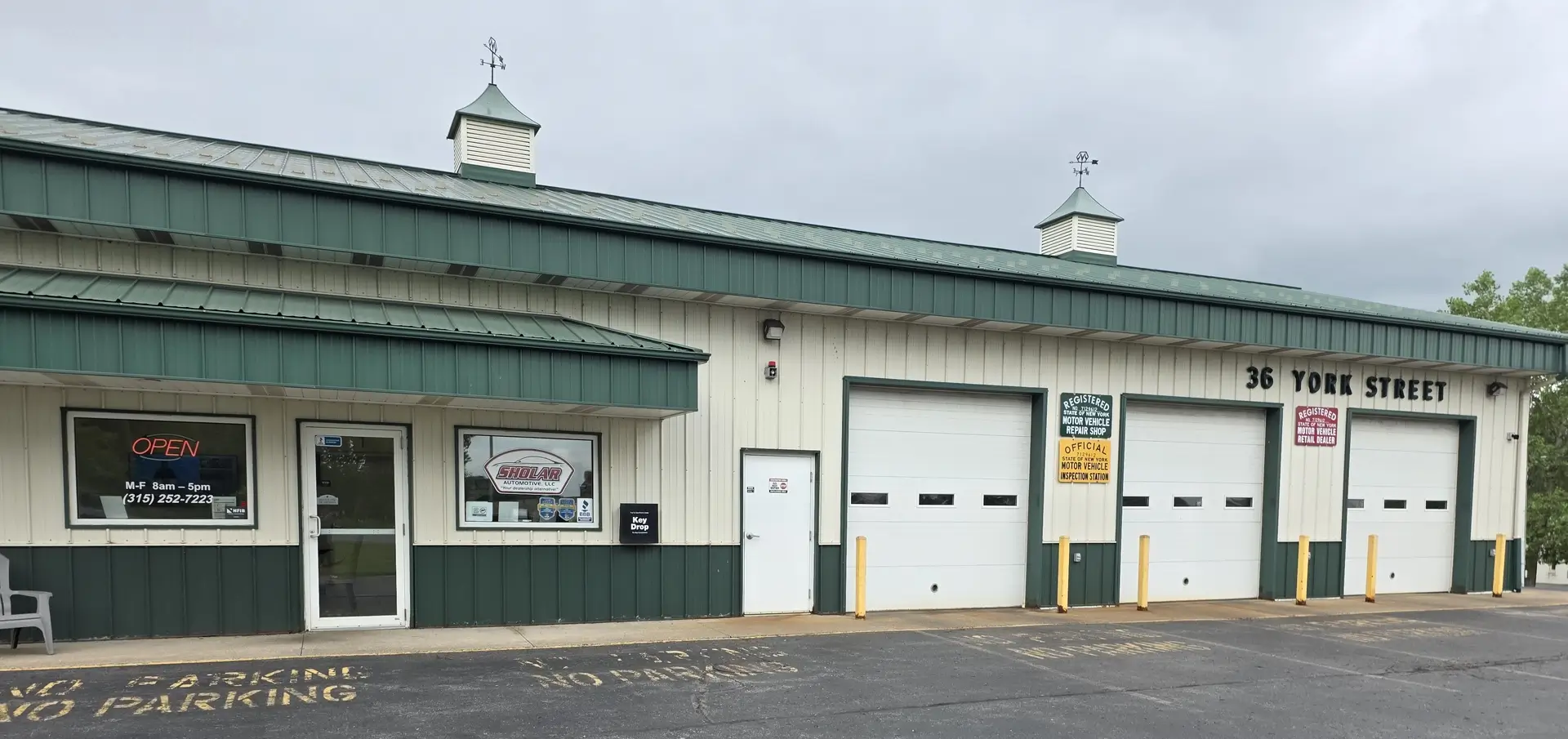
Why Sholar Automotive for Your Oil Change
We use the oil your engine is actually designed for, at the interval that makes sense for your specific vehicle, and every oil change includes a quick multi-point check so we catch anything else worth knowing about while we're already under the hood. Visit our oil change service page for more, and check our current specials page, oil changes are one of the services we most often have an offer running on.
Due for a change, or not sure what interval your vehicle actually needs? Give us a call at (315) 252-7223 or schedule online.